
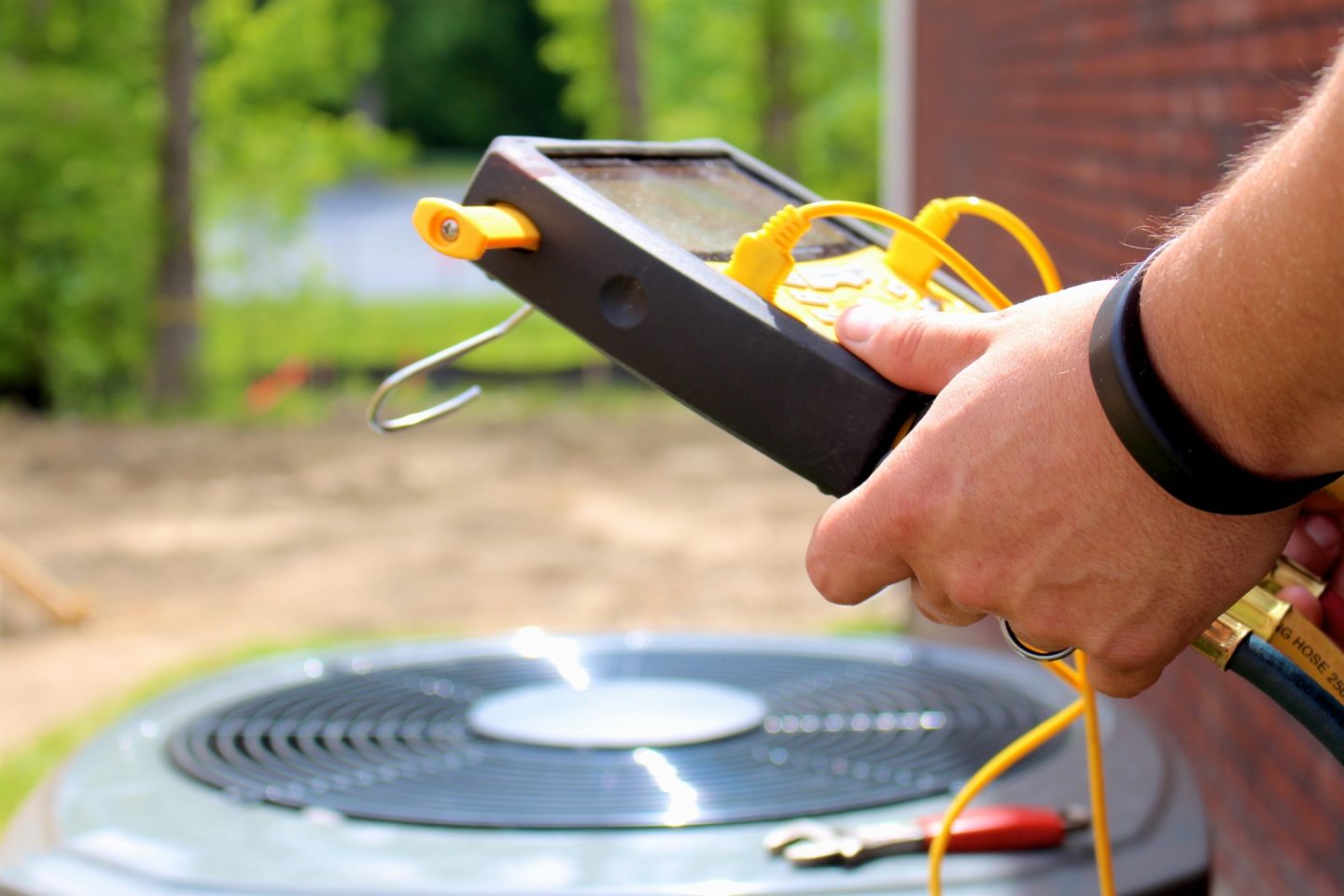
In Southern Florida, your air conditioner does double duty. Yes, it cools the air, but just as importantly, it dehumidifies it. Our tropical climate is saturated with moisture, and your AC unit is the primary defense against your home feeling like a swamp. However, this heavy workload often manifests in a common, panic-inducing problem: water leaking from your AC unit.
Walking into your utility closet to find a puddle, or worse, seeing a water stain spreading across your ceiling, is a homeowner’s nightmare. But panic is not a strategy. Understanding why your system is leaking is the first step toward a solution. Often, the leak is a symptom of a maintenance issue rather than a catastrophic failure of the machine itself. The mechanism is simple: your AC pulls warm air over cold coils. Condensation forms (like a cold soda can on a hot day) and drips into a pan. When that drainage path is blocked, the water has nowhere to go but onto your floor.
The Algae Blockage: A Florida Special
The most frequent culprit for AC leaks in our region is a clogged condensate drain line. Because our systems run almost year-round and deal with immense amounts of water, the dark, wet environment inside the drain pipe is a perfect breeding ground for algae and mold. Over time, this biological “sludge” builds up until it forms a solid plug.
When the line blocks, the condensate pan overflows. Modern systems have a “float switch” that should shut the unit off before this happens, but if that switch fails or isn’t installed, you get a flood. Routine clearing of this line—often done with vinegar flushes or pressurized nitrogen during maintenance—is critical. Resources like Energy.gov highlight drainage problems as a top cause of system failure in humid climates, emphasizing that keeping the drain clear is as important as changing the filter.
Frozen Coils: The Ice Block Paradox
It seems counterintuitive in 90-degree heat, but another major cause of leaking is ice. If your evaporator coil freezes over into a block of ice, eventually that ice has to melt. When the system shuts off or tries to defrost, the volume of water can overwhelm the drain pan, leading to leaks.
But why would it freeze in the first place? Usually, it’s an airflow issue. A dirty air filter chokes the system, preventing warm air from blowing over the coils. Without that heat transfer, the coil gets too cold and freezes the condensation instantly. Low refrigerant levels can also cause freezing. If you see ice on your copper lines or the unit itself, turn the system off immediately. Running it while frozen will destroy the compressor. Let it thaw and call a professional. Technical guides from This Old House explain that ice is almost always a symptom of a larger airflow or chemical balance problem, not just a fluke.
The Cost of Ignoring the Drip
Ignoring a small leak or placing a bucket under the unit is a dangerous game. In Florida, standing water leads to mold growth within 24 to 48 hours. If water saturates your drywall or insulation, you aren’t just looking at an AC repair bill; you are looking at a mold remediation project that can cost thousands.
Furthermore, a system that is struggling to drain or is freezing up is working much harder than it needs to. This drives up your FPL bill and shortens the lifespan of the equipment. Addressing the leak early—whether it’s clearing a line, replacing a rusted pan, or fixing a refrigerant leak—protects your home’s structure and your wallet.
Your Southern Florida Experts for Air Conditioning Repair
Don’t let a leaky AC unit turn your home into a swimming pool. We specialize in diagnosing and fixing the unique moisture-related issues that plague Florida systems. Whether it’s a clogged drain line or a frozen coil, we respond fast to keep your home dry and cool. Trust Best Air Solutions to stop the drip. Learn more about our emergency Air Conditioning Repair services or request a technician today via our Contact Us link.